The Economic and Social Life of Geyre
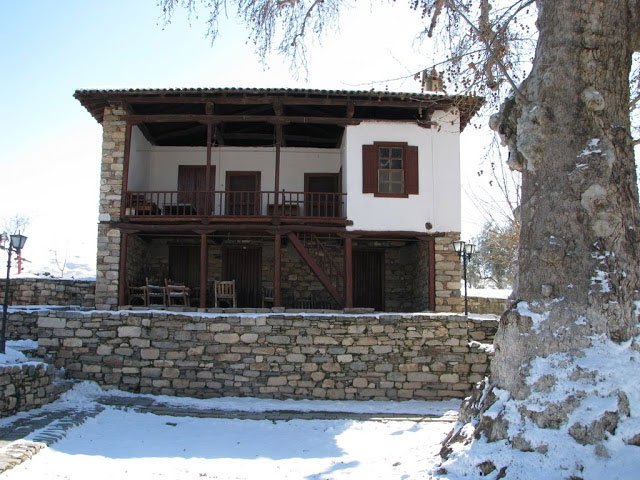
Geyre Neighborhood is an important settlement affiliated with the Karacasu district of Aydın, known for its historical identity and rural way of life. Its most distinctive feature is its location within the same cultural environment as the world-renowned Ancient City of Aphrodisias and the Aphrodisias Museum. For this reason, the economic and social structure of Geyre should be evaluated not only through agricultural production, but also through cultural tourism, local services, and its relationship with historical heritage.
Although Geyre was formerly referred to as a town, today it is a neighborhood affiliated with Karacasu. After Aydın gained metropolitan municipality status, former towns and villages were transformed into neighborhoods. This administrative change makes it necessary to evaluate Geyre’s local services, infrastructure, agricultural areas, and tourism potential together with Karacasu Municipality and relevant public institutions.
Agricultural Structure and Land Use
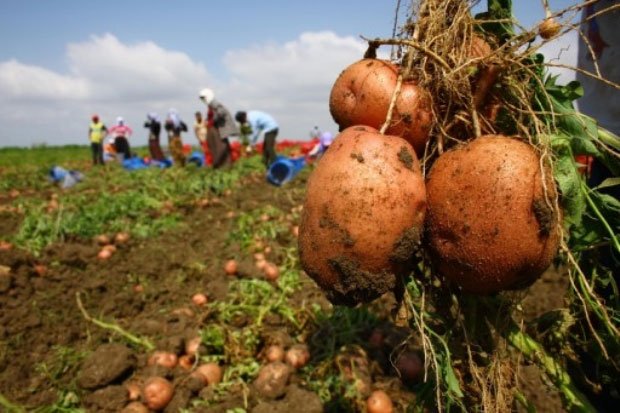
Agriculture plays an important role in the economic life of Geyre. Compared to the surrounding mountainous areas, the neighborhood generally has a flatter terrain. However, agricultural areas are limited, and production is largely carried out through small-scale family farms, garden farming, and local crop cultivation.
Agricultural production in and around Geyre is closely related to the general geographical structure of Karacasu. Since the district lies in a valley extending between Babadağ and Karıncalı Mountain, agricultural lands are often fragmented. For this reason, fruit growing, olive groves, vineyards, walnuts, pomegranates, figs, grapes, and local garden products are more prominent than large-scale plain agriculture.
Across Karacasu, products such as apples, olives, figs, grapes, pomegranates, walnuts, chestnuts, and almonds are cultivated. Geyre is also part of this agricultural environment. The neighborhood’s crop pattern is shaped by the region’s climate, water resources, land structure, and access to markets.
Irrigation and Water Resources
Irrigation is one of the most critical issues for the development of agricultural production in Geyre. As mentioned in the older text, the fact that not all agricultural land can be irrigated is an important factor limiting production capacity. This situation is not unique to Geyre. In Karacasu’s mountainous and valley-based geography, the limited amount of irrigable land makes planned water management necessary for agricultural productivity.
The area around Geyre can be considered a region with potential in terms of groundwater resources. However, for this potential to be used sustainably, uncontrolled well drilling should be avoided, water levels should be monitored, and modern irrigation systems should be expanded. Drip irrigation, soil moisture monitoring, planning crop patterns according to water consumption, and producer training are important in this respect.
One of the most important natural water systems in the region is Dandalaz Stream. Known in antiquity as Morsynus, this stream is one of the main elements that shaped the fertile valley where Aphrodisias is located. Therefore, Geyre’s agricultural structure should be considered not only through today’s production conditions but also together with the settlement continuity that developed around water resources throughout history.
Local Production and Rural Economy
In Geyre, rural life is shaped by agriculture, small-scale trade, the service sector, and tourism activity. The production structure in the neighborhood is mostly based on family labor and local market relations. Agricultural products are important both for household consumption and commercial income.
One of the main needs of small producers is to evaluate their products with higher added value. Presenting products grown in Geyre through direct sales, local markets, packaged products, regional foods, olive oil, dried fruit, jam, molasses, or souvenir formats can create new opportunities for the neighborhood economy.
The fact that visitors to Aphrodisias pass through Geyre or spend time around it is an important advantage for local producers. Including local products in the visitor experience can help Geyre become recognized not only as a settlement neighboring the ancient city but also as a living local production area.
Tourism and Service Infrastructure
One of the strongest factors affecting the social and economic structure of Geyre is cultural tourism. The Ancient City of Aphrodisias and the Aphrodisias Museum are the main values that give Geyre national and international recognition. For this reason, services such as food and beverage, resting areas, guiding, accommodation, transportation, souvenirs, and local product sales are directly connected with the tourism potential of the neighborhood.
The older text mentions local service areas in Geyre such as coffeehouses, shops, a bakery, a barber, metalworking and carpentry workshops, restaurants, and guesthouses. These details show that Geyre has historically functioned as a small-scale center serving both the daily needs of local residents and visitors. However, since the number of such businesses may change over time, the current text evaluates them through their service types and economic functions rather than presenting fixed figures.
Strengthening tourism-related services in Geyre is also important for Karacasu’s broader tourism strategy. Visitors resting in Geyre after visiting Aphrodisias, buying local products, eating, or staying for a short time can help tourism income benefit the local community more directly.
Accommodation, Food and Beverage, and Visitor Experience
Because Geyre is one of the closest settlements to Aphrodisias, it has a natural advantage in terms of accommodation and food and beverage services. To help visitors to the ancient city and museum build a stronger connection with the region, not only the archaeological site experience but also the local life of Geyre can be included in the visitor route.
Restaurants, guesthouses, cafés, resting points, and local product sales areas in the neighborhood can become important elements supporting cultural tourism when planned correctly. Service quality, hygiene, signage, digital visibility, online review management, multilingual information, and the presentation of local products are important at this point.
Strengthening the visitor experience in Geyre requires a local tourism approach compatible with the world heritage identity of Aphrodisias. A small-scale, sustainable model that respects nature and cultural heritage while involving local residents can make a more lasting contribution to Geyre’s economic development.
Local Services and Social Life
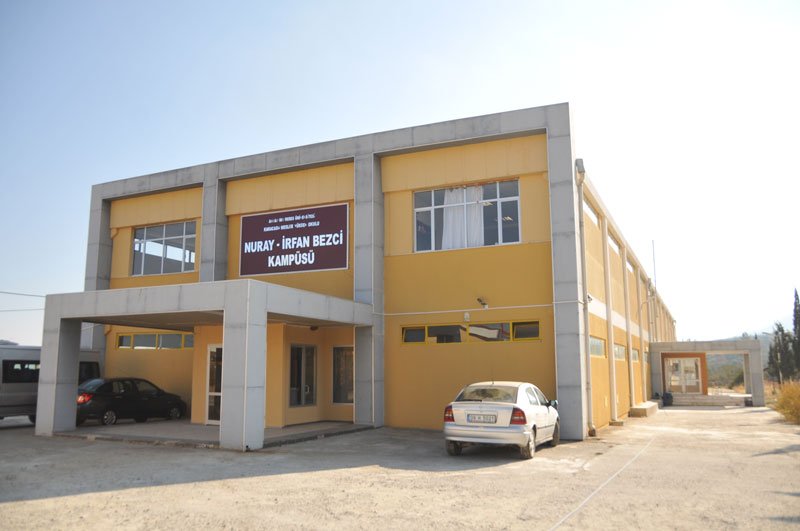
The service infrastructure of Geyre is important for maintaining daily life in the neighborhood. Coffeehouses, grocery stores, bakeries, barbers, workshops, restaurants, health services, postal services, public service points, and social gathering spaces are essential parts of social life in small settlements.
Such services do not serve only a commercial function. They are also places where local people gather, communicate, maintain social ties, and meet daily needs. Especially coffeehouses, bakeries, small shops, and local workshops are important spaces of social memory and everyday life in rural settlements.
Access to health, postal, transportation, and public services is also decisive for quality of life in Geyre. Since Geyre is close to a cultural heritage site that receives many visitors, such as Aphrodisias, it is even more important for these services to be regular and accessible for both local residents and visitors.
Crafts and Small-Scale Production
The metalworking and carpentry workshops mentioned in the older text show the place of small-scale production and craftsmanship in Geyre’s social life. Such workshops meet daily needs in rural neighborhoods and contribute to local employment.
Considering Geyre’s relationship with Karacasu, pottery, blacksmithing, woodworking, leatherwork, and other traditional production fields can be addressed within a broader local economy framework. When these crafts are connected with tourism, they can move beyond production activity and become experience-based cultural spaces.
Craft routes, workshop visits, local product presentations, and short cultural stops can be created around Geyre and Karacasu for Aphrodisias visitors. In this way, a visit to the ancient city can become a more holistic experience completed by the region’s living culture.
Geyre’s Economic Connection with Aphrodisias
The most important advantage for Geyre’s future is its spatial and historical connection with Aphrodisias. While the ancient city increases Geyre’s recognition, the neighborhood forms the living environment around Aphrodisias. When planned correctly, this relationship can support both the protection of cultural heritage and the strengthening of the local economy.
To help Geyre receive a greater share from tourism, arrangements can be made to increase visitors’ contact with the neighborhood. Local product stands, walking routes, information panels, resting areas, small-scale accommodation options, and guided gastronomy experiences can be considered within this scope.
However, this development must be controlled. The archaeological value of Aphrodisias, the protection of the natural environment, the daily life of local residents, and agricultural production areas should all be taken into account. For this reason, the most suitable approach for Geyre is a small-scale development model aligned with sustainable tourism principles and based on local participation.
Development Opportunities
The economic and social structure of Geyre can turn into a stronger local development model when planned correctly. In this context, the main development areas are as follows:
Modern irrigation methods can be expanded in agricultural production.
Local products can be evaluated through direct sales and packaged product formats.
Resting, food and beverage, and local product experiences can be increased in Geyre for Aphrodisias visitors.
Cultural tourism routes can be developed between Geyre and Karacasu.
Small craft workshops can be included in the tourism experience.
Digital visibility, map listings, and multilingual promotional work can be strengthened.
Local residents can be more actively included in tourism planning.
Water resources can be used in a sustainable and controlled way.
These steps can help Geyre preserve its rural identity while benefiting more evenly from the cultural tourism potential around Aphrodisias.
Conclusion
Geyre is one of the most notable neighborhoods of Karacasu with its agricultural areas, water resources, small-scale services, local crafts, and proximity to Aphrodisias. The neighborhood’s economic structure is not based only on agriculture. Tourism, local services, accommodation, food and beverage, small-scale production, and activities related to cultural heritage also shape Geyre’s social and economic identity.
Today, Geyre should be viewed not only as a rural neighborhood but also as the living environment of Aphrodisias and an important settlement carrying Karacasu’s cultural tourism potential. Strengthening agricultural production, managing water resources properly, improving local services, and ensuring that tourism income benefits the neighborhood more directly are key development areas for Geyre’s future.