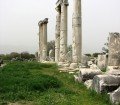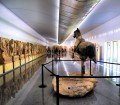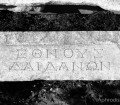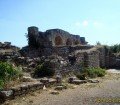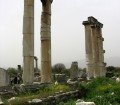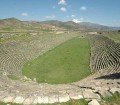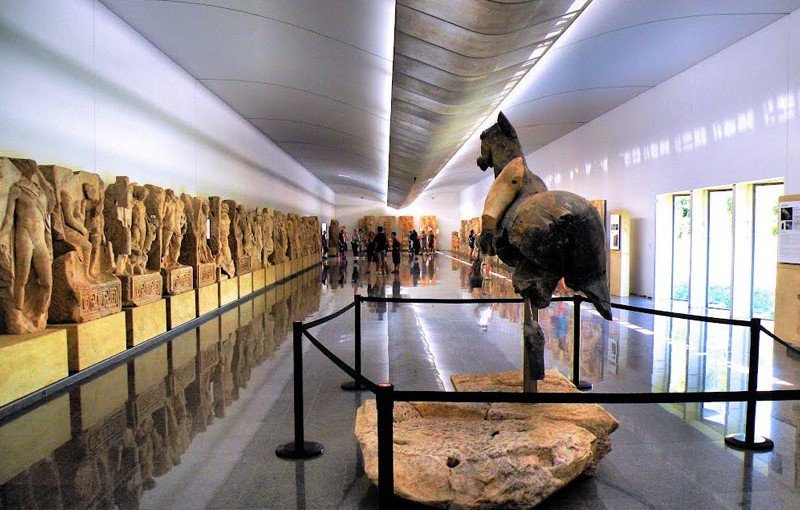
Aphrodisias Museum is a distinctive archaeological museum located within the Ancient City of Aphrodisias, in Geyre Neighborhood of the Karacasu district of Aydın. Opened to visitors in 1979, the museum mainly displays artifacts unearthed during excavations at the ancient city. In this respect, Aphrodisias Museum is not only an exhibition space but also one of the important examples of on-site museology in Türkiye, directly connected with the excavation area.
The museum collection includes sculptures, reliefs, sarcophagi, portraits, inscriptions, architectural fragments, coins, and small finds dating from prehistoric periods to the Byzantine era. However, the strongest and most distinctive part of the museum is undoubtedly the works that reflect the marble sculpture tradition of Aphrodisias.
Aphrodisias and Its Sculptural Tradition
Aphrodisias was known in the ancient world especially for its success in marble craftsmanship and sculpture. The high-quality marble quarries located a few kilometers northeast of the city gave Aphrodisias a major advantage in artistic production. These marbles were used both in the construction of monumental buildings and in the production of statues, reliefs, sarcophagi, and architectural decoration.
A strong Aphrodisias School of Sculpture is known to have produced high-quality works from the 1st century BCE to the 5th century CE. The works of this school reflect not only a local artistic tradition but also the broader artistic world of the Roman Imperial period. Aphrodisian craftsmen showed great technical mastery in portrait statues, mythological figures, imperial representations, sarcophagi, and architectural reliefs.
The works displayed in the museum are highly valuable for understanding the production process, aesthetic approach, and mastery of material of this school. In particular, unfinished sculptures are of worldwide importance because they show how a marble block was worked in antiquity and through which stages a statue reached its final form.
The Foundation of the Museum and On-Site Museology
As the Aphrodisias excavations progressed, it became necessary to establish a museum on the site in order to protect the artifacts and present them properly to visitors. As a result of this need, Aphrodisias Museum was opened in 1979. Since the museum is located within the ancient city, it allows visitors to establish a strong connection between the excavation area and the artifacts.
Seeing a structure in situ at Aphrodisias and then examining a statue, relief, or inscription from that structure in the museum greatly strengthens the visitor experience. For this reason, Aphrodisias Museum should be considered an essential part of the archaeological site visit. While the architectural remains of the ancient city are read outdoors, the artworks and small finds belonging to these structures can be understood in greater detail inside the museum.
The Sebasteion and the Sevgi Gönül Hall
One of the most important sections of the museum is the Sevgi Gönül Hall, dedicated to the reliefs of the Sebasteion. The Sebasteion was a monumental cult complex built in the 1st century CE in honor of Aphrodite and the Julio-Claudian emperors. The three-story porticoes rising on both sides of the structure were decorated with reliefs depicting mythological, imperial, and allegorical scenes.
The Sebasteion reliefs are among the most impressive examples of Aphrodisian art. These reliefs bring together Roman emperors, gods, mythological heroes, personifications of conquered peoples, and scenes reflecting imperial ideology. In this respect, the Sebasteion is not only an architectural structure but also a vast visual program that presents the political and religious representation of the Roman world through the artistic language of Aphrodisian sculptors.
Opened in 2008, the Sevgi Gönül Hall allowed these reliefs to be displayed in a clearer, more integrated, and conservation-friendly manner. With the opening of this hall, the Sebasteion reliefs became one of the strongest focal points of Aphrodisias Museum.
The Museum Route and Main Sections of the Collection
A visit to Aphrodisias Museum gives visitors the opportunity to understand the history of the ancient city both chronologically and thematically. In the entrance area and the first halls, portraits, tondo busts, imperial statues, sarcophagi, and architectural fragments can be seen. These works provide insight into the Roman-period elites, local officials, and monumental artistic culture of Aphrodisias.
One of the important groups of works in the museum is the Zoilos Frieze. Zoilos was a major benefactor who played an important role in Aphrodisias’ relations with Rome and contributed to the city’s monumental development in the early Roman period. The reliefs from the Zoilos Monument show the artistic character of the Augustan period and the high quality reached by Aphrodisian sculpture at an early stage.
In the Melpomene Hall, notable works such as the statue of Melpomene, the muse of tragedy, Apollo, and draped civic figures are displayed. These works are connected with the worlds of theater culture, music, literature, and public representation. In the section known as the Odeon Hall, boxer statues, seated figures, and unfinished sculptures stand out. This section is especially important for understanding the technical process of ancient sculpture production.
The Cult Statue of Aphrodite and Religious Identity
One of the most remarkable works in the museum is the cult statue of Aphrodite. The identity of Aphrodisias was largely shaped around this goddess and her temple. The Aphrodite worshipped at Aphrodisias was not merely the goddess of love and beauty known from the classical Greek world, but a local sacred figure combining Anatolian traditions of fertility and nature goddesses.
The cult statue is essential for understanding the religious identity of the city and its role as a sacred center. This local interpretation of Aphrodite shows that Aphrodisias was not only a Roman city but also a sacred center with a strong local cult tradition.
The figures of priests, priestesses, officials, and the people of the city displayed around the statue help explain the relationship between religion, society, and public representation in Aphrodisias. These works make the city’s social structure, religious hierarchy, and civic identity visible in marble.
Sarcophagi, Portraits, and Small Finds
The sarcophagi displayed in the museum are important works that reflect both the artistic and religious world of Aphrodisias. Figural reliefs, seasonal representations, garlands, mythological scenes, and portraits reveal the richness of funerary art. These sarcophagi show how concepts of death, memory, and social status were visualized in the ancient city.
Portrait statues and busts provide important information about individual representation in Roman-period Aphrodisias. Facial expressions, hairstyles, clothing details, and inscribed bases help us understand people’s social positions and the portrait tradition of the period.
The small finds in the museum are just as valuable as the monumental sculptures. Ceramics, coins, everyday objects, inscription fragments, and prehistoric finds complete the traces of life from different periods of Aphrodisias. In this way, the museum makes visible not only great works of art but also the daily life of the ancient city.
The Legacy of Kenan Erim
Prof. Dr. Kenan T. Erim played a major role in the development of Aphrodisias Museum and in bringing the ancient city to international attention. The systematic excavations that began in 1961 under his leadership enabled the central structures of Aphrodisias to be uncovered, the artifacts to be protected, and the finds to be displayed in a museum setting.
His bust in the museum symbolizes the life and scholarly legacy he devoted to Aphrodisias. While visiting the museum, visitors encounter not only ancient artifacts but also traces of the modern excavation history that brought these works to light.
Kenan Erim’s work contributed to Aphrodisias becoming recognized worldwide not only as an archaeological site but also as a center of scientific research, conservation, and museology.
The Importance of Aphrodisias Museum
The Aphrodisias Museum collection offers the opportunity to evaluate the city’s artistic production, religious life, political representation, social structure, and daily life together. The museum is one of the most remarkable archaeological museums in Western Anatolia, especially in terms of its sculptural works.
The inscription of Aphrodisias on the UNESCO World Heritage List in 2017 was closely connected to the city’s marble quarries, sculpture production, monumental buildings, inscriptions, and the works preserved in the museum. The museum is one of the main institutions that protects the artistic memory of this World Heritage site.
Today, visiting Aphrodisias Museum means understanding not only the stone remains of the ancient city but also the craftsmanship, religious beliefs, political language, and aesthetic world that gave life to those stones.
Conclusion
Aphrodisias Museum is a unique museum that protects, displays, and interprets the most important finds from the excavations of the ancient city. Opened in 1979, the museum presents the marble sculpture tradition, religious identity, Roman-period political relations, and daily life of Aphrodisias together.
The Sebasteion reliefs, Zoilos Frieze, cult statue of Aphrodite, imperial portraits, sarcophagi, unfinished sculptures, and small finds are among the most valuable groups of works offered to visitors by the museum. This collection is indispensable for understanding the place of Aphrodisias in the ancient world.
Aphrodisias Museum is not merely a building where artifacts are displayed. It is a powerful archaeological heritage center that carries the thousands of years of culture, art, and identity of Aphrodisias into the present.