The Social, Educational, and Cultural Structure of Geyre
The Location and Local Identity of Geyre
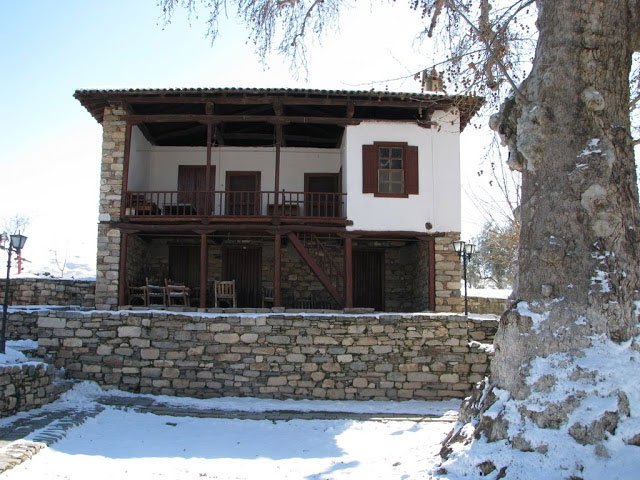
Geyre is a settlement affiliated with the Karacasu district of Aydın and stands out for its historical and cultural identity. Its most distinctive feature is its close association with the Ancient City of Aphrodisias and the Aphrodisias Museum, which are included on the UNESCO World Heritage List. For this reason, Geyre is not only a rural settlement but also the living environment of one of Türkiye’s most important archaeological heritage sites.
The social fabric of the settlement combines the traditional characteristics of small-scale rural life with the cultural dynamism brought by its proximity to a world-renowned ancient city. While daily life is generally calm and shaped by strong local relationships, the area becomes livelier especially in spring and summer, when local and international visitors come to the Ancient City of Aphrodisias.
Today, Geyre’s identity is shaped by the historical legacy of ancient Aphrodisias, the region’s rural life culture, its educational institutions, visitor activity around the museum, and its social ties with the district of Karacasu.
The Social Structure of Geyre
Although Geyre is a small settlement in terms of population, it has a wider sphere of influence than an ordinary rural neighborhood due to its historical surroundings. Social life in the neighborhood is shaped by family ties, neighborly relations, local production, the school environment, and the visitor activity generated by Aphrodisias.
The culture of solidarity commonly seen in rural settlements is also evident in Geyre. The local population largely maintains its daily life in connection with the district center of Karacasu and nearby settlements. A significant part of public services, education, healthcare, transportation, and commercial needs is linked to Karacasu’s center. For this reason, Geyre’s social structure should be evaluated not only within its own boundaries but also together with Karacasu and the surrounding neighborhoods.
Since the housing stock in the neighborhood is limited, some public employees and teachers working in the area may prefer to live in the district center of Karacasu or in nearby settlements. This is related to Geyre’s small settlement scale. On the other hand, the school, the museum, the archaeological site, and visitor activity create a structure that keeps the neighborhood in constant contact with the outside world.
The presence of the Ancient City of Aphrodisias directly affects social life in Geyre. The arrival of visitors creates seasonal activity in areas such as transportation, food and beverage services, guiding, local products, small-scale commerce, and accommodation. Especially during the summer months, visitors to the ancient city and museum add temporary but noticeable vitality to Geyre’s calm rural atmosphere.
The Impact of Aphrodisias on Geyre
To understand Geyre’s social and cultural structure, the role of Aphrodisias in the region must be considered separately. The ancient city is not only an archaeological site but also one of the main elements shaping Geyre’s memory, settlement history, and cultural identity.
The old settlement of Geyre was once located in the area where today’s archaeological site stands. Over time, with the development of archaeological studies, the protection of the site, and changes in settlement planning, Geyre was moved to its present location. This process created an important transformation in the memory of the neighborhood. Ancient stones, architectural fragments, and remains that were once part of daily life are now part of scientific excavations, conservation work, and museum interpretation.
This transformation also changed the relationship between the people of Geyre and the historical heritage around them. The ancient city is no longer a place known mainly to the local community. It is now an internationally recognized cultural heritage site. Geyre, in turn, has gained an identity as the settlement that lives beside and is associated with this heritage.
Aphrodisias’ marble craftsmanship, sculptural tradition, monumental structures, inscriptions, and well-preserved urban fabric highlight the region’s cultural value on a global scale. The theater, stadium, Sebasteion, Tetrapylon, Temple of Aphrodite, agora, bath complexes, and museum collections are among the main elements that attract visitors to the area. This interest also strengthens Geyre’s cultural visibility.
Education in Geyre
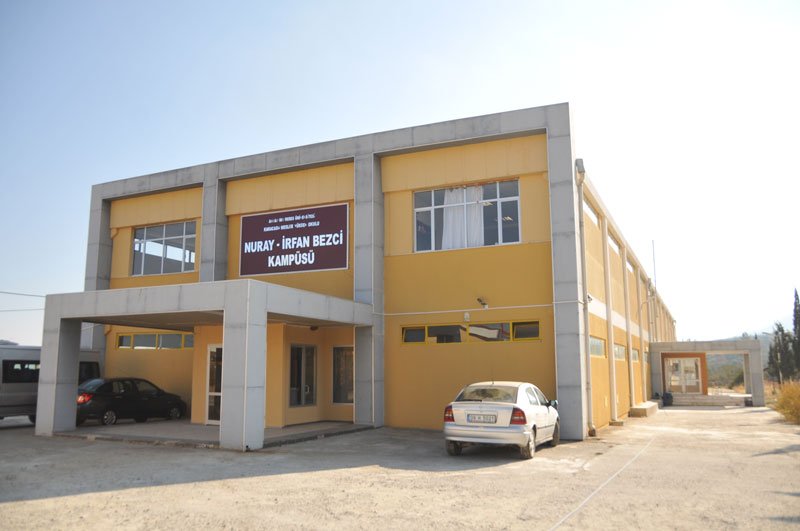
Education holds an important place in Geyre’s social structure. The neighborhood has institutions that provide education at primary and secondary school levels. Geyre Primary School and Geyre Middle School are not only places where students receive education but also centers that support the social life of the neighborhood.
In small settlements, schools serve not only an educational function but also play an important role in strengthening social bonds, bringing families together, and helping children build a relationship with their cultural environment. In Geyre as well, activities organized around the school, environmental awareness projects, national holiday celebrations, social initiatives, and student works contribute to the cultural life of the neighborhood.
Geyre’s proximity to Aphrodisias creates an important educational opportunity. Students live in an environment that contains an archaeological heritage site recognized around the world. This makes it possible to learn about history, art history, archaeology, cultural heritage, and environmental awareness through local examples. For students in Geyre, Aphrodisias is not merely a place to visit. It is a natural learning environment that helps them understand the historical depth of the geography in which they live.
For this reason, education and culture in Geyre should be considered together. Raising awareness among students about the historical value of Aphrodisias is highly important for the long-term preservation of cultural heritage. School visits, museum education programs, local history studies, oral history projects, and environmental protection activities can further enrich educational life in Geyre.
The Cultural Structure of Geyre
The cultural structure of Geyre develops along two main axes. The first is rural life culture. The second is the archaeological and historical heritage created by Aphrodisias. These two elements form a strong and complementary structure within the identity of the neighborhood.
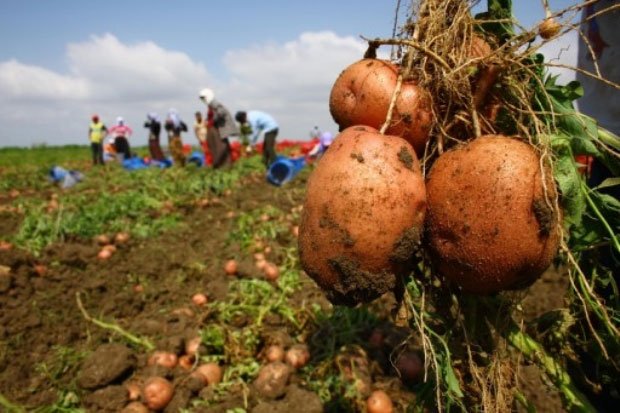
Rural life culture continues through family relations, neighborly ties, local production habits, seasonal rhythms of life, and traditional solidarity. This structure ensures Geyre’s social continuity. Aphrodisias, on the other hand, connects the neighborhood with national and international cultural circles. Excavation teams, researchers, museum staff, guides, visitors, and people interested in cultural tourism increase Geyre’s contact with the wider world.
The Aphrodisias Museum also holds a special place in Geyre’s cultural structure. The museum, where artifacts unearthed from the ancient city are exhibited, makes the historical richness of the region visible. Sculptures, reliefs, inscriptions, and architectural fragments show that Aphrodisias was an important center of art and marble craftsmanship, especially during the Roman period. In this respect, the museum is one of the most important institutions supporting Geyre’s cultural identity.
For the cultural future of the neighborhood, it is important to strengthen the bond between local people and this heritage. Aphrodisias should not be viewed only as an archaeological site visited by tourists, but also as the historical value of the environment in which the people of Geyre live. This approach moves the protection of cultural heritage beyond the responsibility of official institutions alone and increases local ownership.
Tourism and Seasonal Vitality
The rhythm of social life in Geyre changes throughout the year with the visitors who come to the Ancient City of Aphrodisias and its museum. While local life is quieter during the winter months, the arrival of visitors in spring and summer brings increased activity to the area. During these periods, a livelier environment emerges in terms of transportation, food and beverage services, souvenirs, guiding, photography, and local services.
Aphrodisias’ inclusion on the UNESCO World Heritage List is one of the most important factors increasing the recognition of the region. This status creates both an opportunity and a responsibility for Geyre and its surroundings. It is an opportunity because cultural tourism can contribute to the local economy. It is a responsibility because visitor density and tourism activities must be managed in a way that does not harm the historical environment.
For tourism-oriented development in Geyre to be sustainable, it is important to involve local people in the process. Promoting local products, improving visitor information areas, organizing walking routes, strengthening directional signage around the museum and archaeological site, and increasing cultural heritage education for children and young people are valuable steps in this regard.
Geyre’s Local Memory
One of Geyre’s most important values is its local memory. The old settlement area, the remains of Aphrodisias, the relocation process of the village, the beginning of archaeological excavations, Ara Güler’s photographs of the region, Kenan T. Erim’s excavation work, and the development of the museum are among the main subjects that form Geyre’s recent history.
Preserving this memory is as important as preserving archaeological artifacts. Geyre’s story has a special narrative in which the ancient city and the modern settlement intersect. The testimonies of local residents, old photographs, family archives, oral history records, and local narratives can be collected to make Geyre’s cultural memory more visible.
Such a study would provide a local perspective that complements the scientific and touristic value of Aphrodisias. Visitors would have the opportunity to learn not only about the ancient remains but also about the history of a neighborhood that once lived side by side with them.
Cultural Development Opportunities for Geyre
When planned correctly, Geyre’s social, educational, and cultural structure can evolve into a stronger cultural identity. In this context, the following areas can be prioritized in the neighborhood and around Aphrodisias:
Digital content introducing Geyre’s local history can be prepared.
Informational panels explaining the relationship between Aphrodisias and Geyre can be developed.
Museum and archaeological site-based education programs can be organized for students.
Oral history studies including the memories, photographs, and testimonies of local people can be carried out.
Short route suggestions can be created for visitors to understand both present-day Geyre and the memory of the old settlement.
Local products, cultural heritage, and sustainable tourism can be addressed together.
These efforts would help present Geyre not only as a settlement near Aphrodisias but also as a cultural memory landscape that has developed together with the ancient city.
Conclusion
Although Geyre is a small neighborhood, it holds great value due to its historical and cultural surroundings. The Ancient City of Aphrodisias and the Aphrodisias Museum directly shape the neighborhood’s social life, cultural identity, and visitor activity. Educational institutions, the daily life of local people, rural solidarity culture, and the relationship established with the ancient city form Geyre’s distinctive character.
Today, Geyre should be understood not merely as a settlement, but as a special cultural area where the past and present coexist. The social and cultural development of the neighborhood can be carried into a stronger future through the preservation of Aphrodisias, the participation of local people, and the awareness of younger generations about this heritage.